


Top Medical Websites in 2026
The internet has become one of the most important sources of health information for patients, caregivers, healthcare professionals, and researchers. From learning about medical conditions and treatment options to accessing clinical guidelines and medical literature, trusted medical websites make it easier to find reliable, evidence-based information. However, with so much health content available online, knowing which websites you can trust is essential. This guide highlights some of the top medical websites, explains what makes them reliable, and shares practical tips for finding accurate health information online.
Key Takeaways
- Trusted medical websites provide reliable, evidence-based health information reviewed by healthcare professionals and supported by reputable medical organizations.
- Different medical websites serve different needs, from researching symptoms and medications to accessing medical research, finding healthcare providers, and staying informed about public health.
- Knowing how to evaluate a medical website is essential. Look for reputable organizations, qualified medical reviewers, regularly updated content, and transparent sources to ensure the information is accurate and trustworthy.
What Makes a Top Medical Website?
Not all health websites offer the same level of quality or reliability. The best medical websites provide accurate, evidence-based website content that is regularly reviewed by qualified healthcare professionals. They also make it easy for users to find information, maintain transparent editorial standards, and protect personal data when users interact with the site.
The websites featured in this guide were evaluated using the following criteria:
- Evidence-based medical content supported by credible sources and expert medical review.
- Comprehensive health coverage, including common conditions, chronic diseases, preventive care, medications, and specialized topics.
- Ease of use, including intuitive navigation, mobile responsiveness, and a user-friendly design.
- Transparency, including clearly identified authors, editorial policies, and funding or advertising disclosures.
- Privacy and security for websites that collect personal or health-related information.
It’s also helpful to distinguish between consumer-focused and professional medical websites. Consumer resources are designed for patients and caregivers, offering health education, symptom information, and treatment overviews in easy-to-understand language. Professional resources are intended for healthcare providers and researchers, with access to clinical guidelines, medical literature, research, and continuing medical education.
Best Medical Websites for General Health Information
These websites are designed primarily for patients and caregivers seeking reliable disease information, along with clear explanations of medical conditions, medical tests, treatments, and preventive care.
Mayo Clinic

Mayo Clinic is widely regarded as one of the world’s most trusted sources of online health information. Its extensive Health Library covers thousands of diseases, symptoms, tests, and medical procedures, offering comprehensive patient information through expert-reviewed articles that clearly identify medical reviewers and publication dates.
MedlinePlus
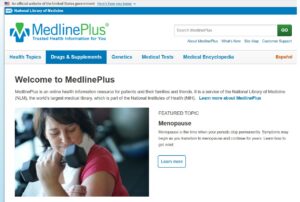
Managed by the U.S. National Library of Medicine, MedlinePlus is one of the most reliable government-supported health resources available. It covers more than 1,000 health topics in English and Spanish, operates without commercial advertising, and links to carefully vetted external resources. It also offers information on medications, medical tests, genetics, and patient education materials.
WebMD

WebMD is one of the most well-known consumer health websites, offering information on medical conditions, symptoms, medications, preventive care, and healthy living. In addition to its extensive health library, the site provides tools such as a symptom checker, drug database, and health calculators. Its content is reviewed by medical professionals and is intended to help patients better understand health topics, although it should not replace advice from a qualified healthcare provider.
Healthline
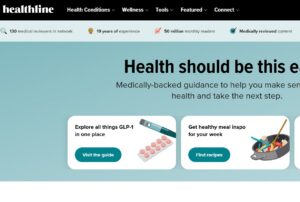
Healthline is known for its accessible, consumer-friendly articles covering medical conditions, nutrition, fitness, mental health, and overall wellness. Its content is medically reviewed and written in clear language, making it a useful resource for learning about common health conditions and healthy lifestyle choices.
Together, these websites cover a broad range of health topics, from common illnesses and chronic diseases to preventive care, medications, nutrition, and overall wellness. They are excellent starting points for patients and caregivers seeking reliable, evidence-based health information.
Top Medical Websites for Physicians and Clinicians
Healthcare professionals rely on specialized medical websites to support clinical decision-making, review treatment guidelines, access drug references, and stay up to date with the latest medical research. Unlike consumer health websites, these platforms are designed for clinical practice and provide detailed, evidence-based information for physicians and other healthcare professionals.
UpToDate
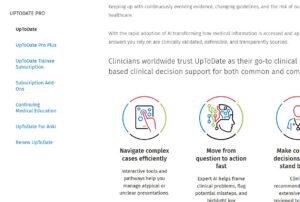
UpToDate is one of the most widely used clinical decision support resources. It provides comprehensive, evidence-based recommendations across a broad range of medical specialties, helping clinicians make informed decisions at the point of care. Its expert-authored content is continuously updated to reflect current research and clinical guidelines.
DynaMed
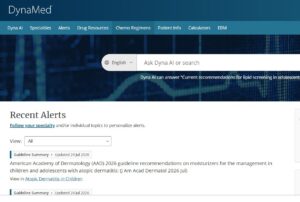
DynaMed is another leading clinical reference platform known for its concise summaries and transparent evidence grading. Its structured format helps physicians find quick answers while reviewing diagnostic recommendations, treatment options, and supporting evidence.
Medscape
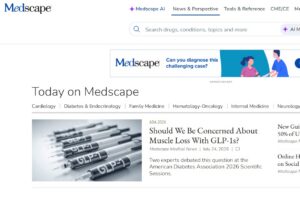
Medscape provides healthcare professionals with free access to medical news, clinical reference materials, drug information, and continuing medical education (CME). It is widely used to stay informed about new research, emerging treatments, and developments across multiple medical specialties.
Together, these professional resources help clinicians access current evidence, clinical guidelines, drug information, and continuing education to support high-quality, evidence-based patient care.
Top Medical Websites for Medical Research and Clinical Trials
Clinicians, researchers, and informed patients rely on specialized medical databases to access original research, explore clinical trials, and stay current with scientific advances. These platforms form the foundation of evidence-based medicine by providing access to peer-reviewed studies, clinical guidelines, and ongoing research.
PubMed
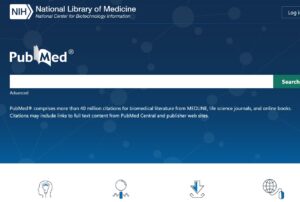
PubMed is the world’s leading database of biomedical literature, maintained by the U.S. National Library of Medicine. It indexes millions of citations from MEDLINE and other life sciences journals, allowing users to search by study type, publication date, author, or Medical Subject Headings (MeSH). Links to full-text articles are available when provided by publishers or through open-access sources. PubMed is widely used to find systematic reviews, clinical studies, case reports, and other peer-reviewed research across virtually every medical specialty.
ClinicalTrials.gov
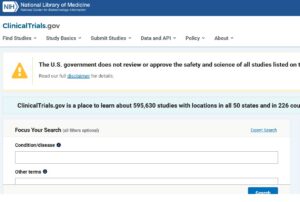
ClinicalTrials.gov is one of the world’s largest registries of clinical studies. Physicians, researchers, and prospective patients can search for ongoing, completed, and recruiting clinical trials by medical condition, treatment, location, or enrollment status. Understanding a trial listing, including its phase, eligibility criteria, study objectives, and outcome measures, can help users evaluate whether participation may be appropriate. Anyone considering enrollment should discuss potential benefits and risks with a qualified healthcare provider.
National Institutes of Health (NIH)
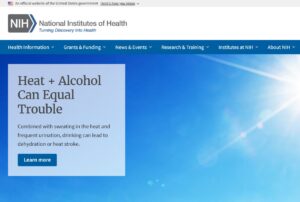
The National Institutes of Health (NIH) and its specialized institutes, including the National Cancer Institute (NCI) and the National Institute of Allergy and Infectious Diseases (NIAID), provide authoritative access to biomedical research, funding opportunities, clinical resources, and public health information. Their websites are widely respected for their scientific rigor and commitment to advancing medical knowledge.
Together, these resources provide access to peer-reviewed research, clinical studies, and the latest scientific evidence. Whether you’re conducting medical research, reviewing published literature, or exploring clinical trials, they offer reliable information to support evidence-based healthcare and informed decision-making.
Top Drug Information Websites and Medication Safety Resources
Medication questions often go beyond simply identifying a drug. Patients and healthcare professionals may need to check recommended dosages, potential interactions, side effects, contraindications, or the latest safety updates. The following websites are among the most trusted sources for accurate, up-to-date medication information and drug safety resources.
Drugs.com
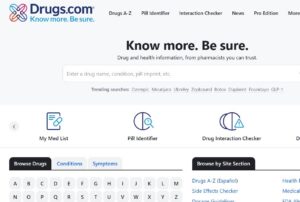
Drugs.com is one of the most widely used online medication reference websites, offering comprehensive information on thousands of prescription drugs, over-the-counter (OTC) medicines, and natural products. Each drug monograph includes details on approved uses, recommended dosages, side effects, warnings, precautions, interactions, and patient instructions. The website also provides practical tools such as a drug interaction checker, pill identifier, dosage guides, and a medication comparison tool, making it a valuable resource for both patients and healthcare professionals. Its content is regularly updated using information from trusted clinical and regulatory sources to help ensure accuracy and reliability.
RxList
RxList provides detailed drug monographs, dosage information, side effects, precautions, and prescribing details for a wide range of medications. It is particularly useful for patients seeking more in-depth information about their prescriptions while remaining accessible to general readers.
FDA and EMA
Regulatory agencies such as the U.S. Food and Drug Administration (FDA) and the European Medicines Agency (EMA)remain the primary source of authoritative information on drug approvals, safety communications, recalls, and labeling updates. These websites are particularly important when reviewing newly approved medications or emerging safety concerns.
When using medication websites, patients should always confirm changes to their medications with a qualified healthcare provider. Drug interaction checkers are valuable screening tools, but they should not replace professional medical advice. It is also wise to avoid websites that promote unapproved treatments or fail to identify the sources of their medical information.
The most reliable drug information websites clearly disclose their data sources, separate editorial content from advertising, and update their medication monographs as new clinical evidence, safety warnings, and regulatory decisions become available.
Best Medical Websites for Mental Health Information
Reliable mental health websites help people learn about mental health conditions, treatment options, and available support services. The following resources provide evidence-based information reviewed by healthcare professionals and mental health experts, making them valuable for patients, caregivers, and anyone seeking trusted mental health information.
Mayo Clinic
Mayo Clinic offers comprehensive information on a wide range of mental health conditions, including depression, anxiety disorders, bipolar disorder, post-traumatic stress disorder (PTSD), and substance use disorders. Its expert-reviewed articles explain symptoms, diagnosis, treatment options, medications, and self-care strategies in clear, accessible language.
National Alliance on Mental Illness (NAMI)

NAMI is one of the leading mental health advocacy organizations, offering educational resources, support programs, and information for individuals living with mental illness and their families. Its website also provides guidance on navigating treatment, finding support groups, and accessing community resources.
Anxiety and Depression Association of America (ADAA)
The Anxiety and Depression Association of America (ADAA) specializes in anxiety, depression, obsessive-compulsive disorder (OCD), PTSD, and related conditions. Its website features educational articles, treatment information, self-help resources, and a directory to help users find licensed mental health professionals.
Together, these websites provide reliable information on mental health conditions, treatment options, and support services. While they are excellent educational resources, they should complement, not replace, professional evaluation and personalized care from a qualified mental health provider.
How to Evaluate the Quality of Any Medical Website
Not every website that provides health information is equally reliable. Whether you’re researching a medical condition, treatment, or medication, taking a few moments to evaluate the source can help you avoid misinformation and make better-informed healthcare decisions.
When assessing a medical website, consider the following:
- Qualified authors and medical reviewers with clearly identified credentials.
- Evidence-based content supported by peer-reviewed research, clinical guidelines, or reputable medical organizations.
- Transparency about editorial policies, funding sources, sponsorships, and advertising.
- Regular updates to reflect current medical research, treatment recommendations, and clinical guidelines.
- Balanced information that explains both the benefits and potential risks of treatments or medical interventions.
A website’s design can also offer clues about its credibility. Clear navigation, readable content, mobile-friendly pages, and limited intrusive advertising contribute to an optimal user experience. While design alone does not guarantee accuracy, reputable healthcare organizations typically make their information easy to find and understand.
Be cautious of websites that make extraordinary health claims without scientific evidence, rely heavily on testimonials instead of research, promote “miracle cures,” or encourage readers to ignore professional medical advice. These are common warning signs that the information may not be reliable.
When possible, verify important medical information by comparing it across multiple trusted sources. If several reputable organizations provide consistent guidance, you can have greater confidence that the information reflects current medical evidence. Even so, online resources should complement, not replace, the advice of a qualified healthcare professional, especially when making decisions about diagnosis or treatment.
Design, Accessibility, and Privacy on Healthcare Websites
Beyond providing accurate medical information, the best healthcare websites are designed to be secure, accessible, and easy to use. Whether managed by hospitals, nonprofit organizations, government agencies, or health and medical companies, these websites should make it easy for patients, caregivers, and healthcare professionals to find reliable information while protecting personal data.
High-quality healthcare websites follow recognized accessibility standards by providing features such as descriptive image text, keyboard navigation, readable headings, sufficient color contrast, and captions for video content. They should also perform well across desktops, tablets, and smartphones. Good accessibility and search engine optimization practices help ensure reliable health information is easier to find and use.
Privacy and security are equally important. Websites that collect personal or medical information should use encrypted connections, provide transparent privacy policies, and clearly explain how user data is collected, stored, and shared. Features such as patient portals, online appointment scheduling, patient forms, prescription refill requests, and telehealth services should prioritize both convenience and data protection.
Together, accurate medical content, accessible design, and responsible privacy practices create a safer, more reliable online experience for everyone seeking health information or medical services.
Summary
The internet offers access to an enormous amount of health information, but not every source is equally reliable. Choosing trusted medical websites helps patients, caregivers, healthcare professionals, and researchers find accurate, evidence-based information on medical conditions, treatments, medications, mental health, and the latest scientific research.
Whether you’re looking for general health guidance, clinical research, drug information, or mental health resources, the websites featured in this guide provide dependable information from respected healthcare organizations and medical experts. Using multiple trusted sources and verifying important information can help you make more informed healthcare decisions.
While online medical resources are valuable for education and research, they should complement, not replace, the advice of a qualified healthcare professional. By combining reliable online information with personalized medical guidance, you can make better-informed decisions and play a more active role in your health and well-being.