

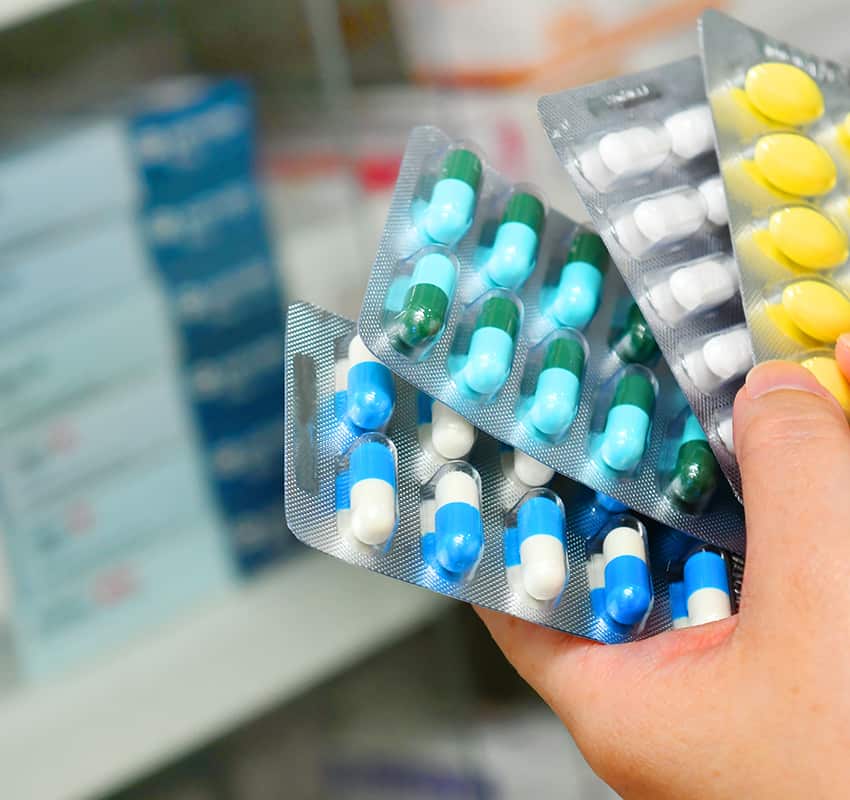
Important Safety Information
If you live in an area of the world with Important Safety Information regulations, you’ve probably heard the rambling of side effects that follows a video commercial for medication. You may have also seen medical ads online with thick sidebars of text detailing safety information for the product in question, whether on a website or ad unit, though a bottom ISI tray is the industry-standard pattern on the page.
Mobile ISI designs often fail because limited space reduces user access to the ISI section.
Important Safety Information is very useful for consumers who need to know the potential side effects of a product they are considering. It is also a good way for brands and advertisers to cover their bases when it comes to legal problems or poor brand reputation.
Let’s look at what ISI actually is and what it typically includes in pharmaceutical advertising.
What Does “Important Safety Information” Refer To?
“Important Safety Information” or ISI is a pharmaceutical and medical business term that refers to associated risks for specific treatments. ISI enables pharmaceutical advertisers to clearly disclose associated risks for specific drugs, treatments or devices when running advertising campaigns.
Globally, ISI is becoming a legal trend in which pharmaceutical companies around the world have been forced to adapt to. In FDA review, advertisers should assume current enforcement standards will apply, and that regulatory context affects how ISI is present in promotional content.
When it comes to direct to consumer advertising, it makes sense why important safety information needs to be included in advertisements. Consumers need to be informed of potential risks in using a medical device or medication for the benefit of their health, and drug benefits and drug risks must appear together for fair balance.
What Does “Important Safety Information” Typically Contain?
A “product claim ad” is a type of advertisement that explicitly names a drug or medical device and discusses its benefits. These types of ads in most countries must not be false or misleading to viewers. One way to avoid this is to include important safety information in the ad itself.
Important safety information will typically contain the name of the drug (both generic and brand name), any (but not all) FDA-approved uses for the drug, the indication and treatment information where relevant, and the most significant risks and side effects of the drug. This information should be present on the main page in very understandable language, accessible to the user, and supported by links or navigation rather than hidden. Important safety information should also be very well balanced. For example: An advertisement for a drug that contains 500 words describing the benefits should have a similarly hefty list of important safety information, rather than just one sentence, and that prominence should demonstrate fair balance and focus on what matter most for compliance and understanding.
Healthy Ads as a Medical Advertising Solution
At Healthy Ads, we want to make sure our advertisers and clients have their bases covered. That’s why we do our best to implement important safety information within advertisements for our pharmaceutical clients.
Healthy Ads is an advertising platform for pharmaceutical, health, wellness, fitness, and medical brands. We’ll walk you through all of the options available to make sure that your advertising campaign delivers those coveted leads and conversions. We want your ads to reach very engaged and health-obsessed consumers online and will use our substantial reach to get you there.