
The Complete Guide to Facebook Ads for Fitness
Facebook health and fitness advertisements are one of the most powerful tools available to gyms, personal trainers, and fitness studios today. By using Meta’s advanced advertising features, fitness businesses can connect directly with potential customers who are most likely to sign up for memberships, attend classes, or purchase personal training packages.
In this guide, you’ll learn how to create high-performing marketing campaigns, identify your ideal audience, design compelling ad creatives, and monitor performance for maximum ROI. Whether you’re a new fitness entrepreneur or a seasoned gym owner looking to scale, this guide will give you actionable strategies to grow your business
Key Takeaways
- Targeted advertising on Facebook enables gyms and fitness businesses to reach highly specific audiences, ranging from local prospects within a few miles to niche groups such as yoga enthusiasts or weightlifters.
- Compelling creative content, especially authentic videos, testimonials, and transformation stories, consistently outperforms generic ads in driving sign-ups and memberships.
- Continuous optimization and tracking through tools like the Meta Pixel and CRM integrations are essential for maximizing ROI and scaling campaigns profitably.
Understanding Facebook Fitness Ads
Facebook fitness ads are paid promotions run through Meta’s advertising platform that specifically target individuals interested in health, wellness, and exercise. For gyms, studios, and personal trainers, these ads serve as a bridge between services offered and people actively looking for fitness solutions.
Unlike traditional marketing, where businesses cast a wide net, Facebook allows advertisers to zero in on very specific groups. This means a yoga studio can reach people who recently searched for yoga mats, while a personal trainer can advertise to individuals in a five-mile radius who follow fitness influencers. This precision is what makes Facebook ads so effective for fitness businesses, helping them stand out and reach people most likely to take action.
What sets these ads apart from generic ad campaigns is their ability to integrate seamlessly into the user experience. Ads can appear in Facebook feeds, Instagram stories, Messenger inbox, and even external websites that partner with Meta. This flexibility in ad placements and formats makes them feel less intrusive and more like natural content.
Businesses can use high-quality images of real clients, highlight success stories, or promote special offers that match the lifestyle of their desired audience. By blending storytelling with strategic placements, fitness brands are able to create compelling ads that not only increase brand awareness but also inspire people to take immediate steps toward their goals.
Why Facebook Ads Matter for Business Growth
The fitness industry thrives on visibility and trust. In a market where consumers often have dozens of gyms, studios, or apps to choose from, standing out requires consistent engagement. Facebook advertising for gyms and fitness studios provides the visibility needed to remind potential customers of your services while also building familiarity and trust over time. For example, a gym that runs Facebook video ads showing short clips of classes can give viewers a sense of energy and community before they even walk in the door. This early exposure often creates a stronger emotional connection that leads to sign-ups.
Since most Facebook users access the platform on mobile devices, ads should be designed in vertical formats with clear text and fast-loading visuals. Another advantage of Facebook ads is scalability. Unlike word-of-mouth marketing or flyers, campaigns can easily be adjusted by budget and reach. A fitness studio can start with just a few dollars per day, test different approaches, and then scale once results are proven.
This flexibility ensures that even small businesses can compete with larger chains by carefully managing their ad spend. When structured strategically, Facebook campaigns not only bring in new clients but also retain existing ones, creating consistent revenue and long-term growth opportunities.
Costs and Benchmarks for Fitness Ads
One of the most common concerns fitness businesses have is how much they should expect to spend on Facebook ads. The good news is that costs are relatively manageable compared to other digital platforms, especially when campaigns are optimized. On average, fitness ads may cost anywhere from a few cents to a couple of dollars per click, depending on factors such as audience size, competition, and location. Local campaigns typically see lower costs because they target smaller, well-defined audiences, while national or broader campaigns may face higher competition.
The return on investment, however, is where Facebook advertising truly shines. For example, a single new gym membership can often cover the cost of several weeks of advertising. When paired with a strong retention strategy, the lifetime value of a customer acquired through Facebook can far exceed the initial advertising expense. Fitness businesses that track their cost per lead and cost per acquisition consistently find that Facebook ads deliver results at a fraction of the cost of traditional media.
Step-by-Step Guide to Running Facebook Fitness Ads
Every successful Facebook campaign starts with a clear goal. Whether it’s driving trial sign-ups, filling group classes, or promoting online coaching sessions, your ads should have a defined purpose from the beginning. In this guide, you’ll learn how to build an effective Facebook ad strategy that attracts new members, engages your community, and drives measurable results.
Setting Up Facebook Business Manager
Running effective Facebook ads for fitness requires a structured approach. The first step is setting up a Facebook page and Business Manager account, which acts as the central hub for all campaigns. Within this platform, businesses can create ad accounts, manage payment methods, and set up access for team members.
Defining Advertising Objectives
After setting up the basics, the next step is to establish a clear advertising objective. For some fitness businesses, this might mean generating leads through lead ads to capture free trial sign-ups. For others, the goal could be driving traffic to a class booking page, starting conversations about coaching with messenger ads, or using dynamic ads to automatically promote the most relevant classes and packages.
Choosing the right ad objective, whether it’s lead generation, website conversions, or brand awareness, ensures campaigns remain focused and measurable
Identifying Your Target Audience
Targeting is crucial for campaign success. Facebook’s advanced ad targeting allows you to filter audiences by demographics (age, gender, income) and psychographics (fitness, wellness, healthy eating). You can also use retargeting through the Facebook pixel to reach people who’ve engaged with your website or page.
Custom audiences built from website visitors, past leads, or people who engaged with your social media ensure ads reach those already interested in your services.
Creating Engaging Ad Content
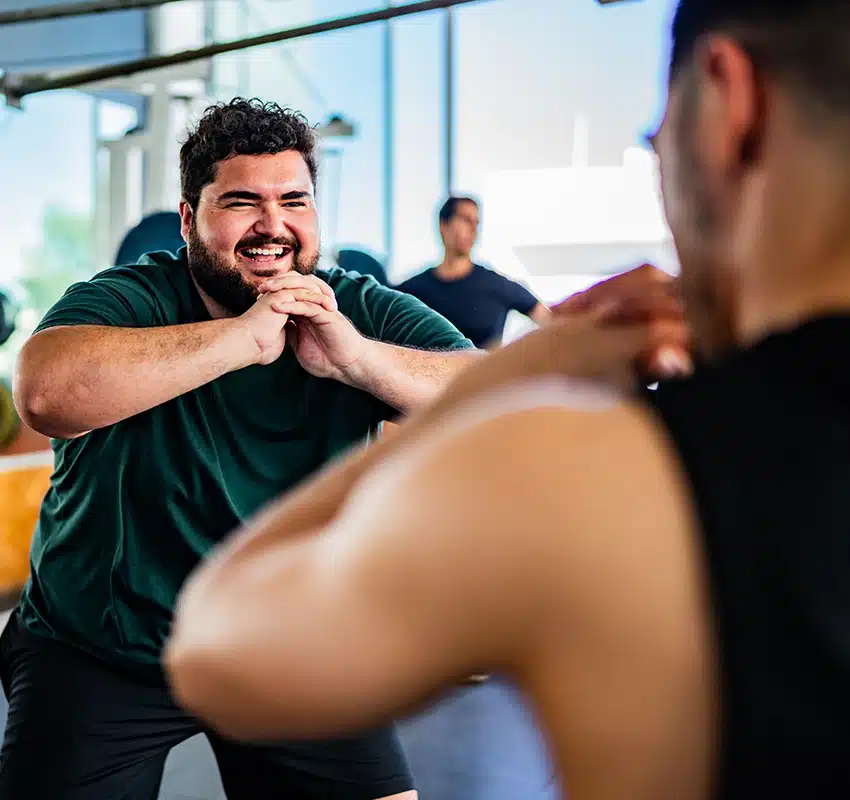
The best fitness ads are those that feel authentic and relatable. Visually appealing creatives, such as transformation photos, energetic class highlights, or short testimonial videos, capture attention far better than generic stock images. These ads work best when they showcase real people and genuine experiences, helping build trust and an emotional connection.
Pair these visuals with compelling headlines and clear calls-to-action like “Start your free trial today” or “Book your first class for just $5.” This combination adds clarity and urgency, making it easier for potential clients to take action.
Choosing the Right Placements
One of Facebook’s strengths is the variety of placements where ads can appear, such as Facebook feeds, Instagram Stories, Messenger inbox, and partner websites across the Meta network. Each ad format, whether image, video, or carousel, offers unique advantages for fitness businesses. For example, a short video ad can highlight the energy of a group class, while a carousel ad can showcase multiple membership options or transformation stories. Testing different ad formats and placements helps identify which combinations resonate best with your audience and deliver the highest return.
Setting Budgets and Scheduling
Before publishing your campaign, it’s important to define how much you want to spend and when your ads should run. Facebook allows you to choose between a daily budget (spending a fixed amount each day) or a lifetime budget (spending a set total over the campaign’s duration).
For fitness centers, a daily budget is often more practical, as it provides steady visibility and flexibility to adjust spending based on performance. You can also schedule ads to run continuously or during specific times when your audience is most active, for example, evenings when people are planning workouts.
Monitoring and Optimizing Campaigns
Launching ads is just the beginning; success comes from continuous optimization. With Facebook Ads Manager, fitness businesses can track key metrics such as cost per lead, click-through rate, and membership conversions. These insights reveal which ads are performing well and which need adjustments.
To improve results, test variations of formats, visuals, and offers, then reallocate budget to the campaigns delivering the best ROI. Using Meta tools like Pixel and CRM integrations, gyms can measure actual sign-ups and memberships, ensuring campaigns remain both profitable and scalable over time.
Common Mistakes to Avoid
While Facebook fitness ads can deliver outstanding results, many businesses stumble by repeating common mistakes. One frequent issue is failing to define a clear goal before launching campaigns. Without a specific objective, such as increasing trial memberships or selling online coaching packages, ads tend to underperform because success is not measurable.
Another mistake is targeting audiences that are too broad. Casting a wide net often leads to wasted impressions and higher costs, especially when ads reach people unlikely to engage with fitness services.
Another pitfall is relying too heavily on one type of creative. For example, a business that only uses generic stock images may fail to capture attention compared to competitors showcasing authentic client stories or dynamic workout videos. Similarly, neglecting to monitor ad performance can lead to wasted budgets. Ads that are not optimized or refreshed regularly often see declining results as audiences grow tired of seeing the same content.
Summary
Facebook ads are one of the most effective ways for fitness businesses to grow brand awareness, generate leads, and drive memberships. With advanced targeting options and detailed performance tracking, gyms and trainers can reach the right audience and refine campaigns for better results.
From local gyms running ads within a few miles to online coaches targeting global niches, the adaptability of Facebook ads makes them a powerful tool for any fitness professional. By using authentic visuals, testimonials, and retargeting strategies, campaigns can build trust and convert interest into paying clients.
Ultimately, Facebook ads provide more than clicks; they create a sustainable marketing engine that drives long-term growth.